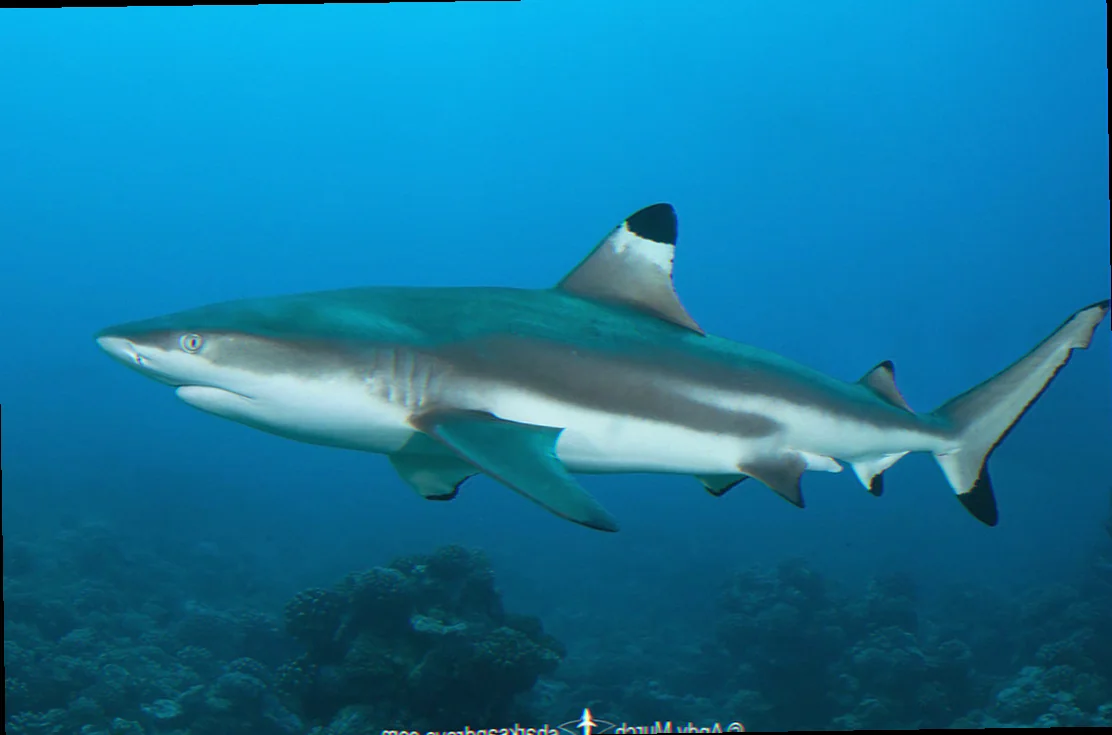
Ecological significance: As a high-order predator, the blacktip reef shark (*Carcharhinus melanopterus*) exerts crucial top-down pressure within the Australian coral reef food web, regulating the abundance of mesopredators and herbivorous fish. By maintaining this equilibrium, the species prevents algal overgrowth on coral substrates, ensuring the structural integrity and resilience of the Great Barrier Reef and Ningaloo Reef ecosystems. If this species were to disappear, the resulting trophic cascade would likely lead to a collapse in biodiversity and a fundamental shift in reef architecture from coral-dominated to algae-dominated states.
Species Profile
| Attribute | Data |
|---|---|
| Scientific name | Carcharhinus melanopterus (Quoy & Gaimard, 1824) |
| Trophic level | Apex predator / High-level carnivore |
| Population estimate | Significant declines noted in fished zones; studies in the Great Barrier Reef indicate up to a 97% reduction in abundance in areas with high fishing pressure compared to no-entry zones (Robbins et al., 2006). |
| Native range | Queensland, Western Australia, Northern Territory; also occurs throughout the Indo-Pacific. |
| EPBC Act status | Not listed (currently under review globally as 'Vulnerable' by the IUCN) |
Position in the Food Web
- Prey species: The blacktip reef shark is a generalist carnivore, primarily consuming teleost fishes such as mullet (*Mugilidae*), wrasses (*Labridae*), and surgeonfish (*Acanthuridae*). They also hunt cephalopods, including octopus and squid, often using a "ram-feeding" method where they accelerate toward prey in shallow reef flats.
- Predators: While an apex predator in many shallow habitats, smaller individuals and juveniles are frequently preyed upon by larger elasmobranchs, most notably the Tiger shark (*Galeocerdo cuvier*) and the Great Hammerhead (*Sphyrna mokarran*).
- Competitors: This species competes for similar niche space and resources with other carcharhinids, particularly the Grey Reef Shark (*Carcharhinus amblyrhynchos*) and the Whitetip Reef Shark (*Triaenodon obesus*), often resulting in spatial partitioning where blacktips occupy shallower waters.
- Symbiotic partners: Blacktip reef sharks engage in a common commensal relationship with Remoras (*Remora remora*), which attach to the shark's skin to feed on ectoparasites and scraps from the shark's meals, while the shark benefits from the cleaning service.
- Keystone role: The blacktip reef shark is considered an umbrella species; by protecting their extensive home ranges and diverse habitat requirements, conservation efforts inadvertently protect thousands of other reef-dwelling organisms.
Habitat Requirements and Microhabitat Use
The blacktip reef shark is a specialist of the shallow-water tropical marine environment, exhibiting a high degree of site fidelity. In Australia, they are most commonly associated with the Great Barrier Reef (GBR) Marine Park, the Ningaloo Coast, and the North West Shelf. They prefer clear, shallow waters, often occurring in the intertidal zone and reef flats at depths of less than 30 metres. Within these bioregions, they rely heavily on "nursery areas" located in mangrove-lined creeks and coastal lagoons, particularly in the Wet Tropics and Cape York Peninsula coastal fringes. These microhabitats provide essential protection from larger predators and high concentrations of juvenile fish for food. The species is rarely found in brackish or freshwater, distinguishing it from the Bull Shark, and it requires high dissolved oxygen levels facilitated by constant movement or current flow over the gills.
Reproductive Strategy and Population Dynamics
This species follows a K-selected reproductive strategy, characterized by slow growth, late sexual maturity, and low fecundity. In Australian waters, blacktip reef sharks are viviparous, meaning they give birth to live young that have been nourished via a placental connection. The breeding cycle is often biennial or annual, triggered primarily by seasonal water temperature increases. After a gestation period of approximately 8 to 11 months, females typically produce a small litter of only 2 to 4 pups. This low reproductive output means the juvenile survival rate is critical for population stability; however, juveniles are highly vulnerable to both natural predation and anthropogenic disturbances in coastal nurseries. Because they take several years to reach reproductive age, their capacity to recover from sudden population shocks-such as mass bleaching events or intensive fishing-is severely limited.
Threats and Vulnerability Analysis
- Introduced species pressure: While direct feral animal pressure is low in marine environments, the degradation of coastal mangroves by feral pigs (*Sus scrofa*) in Northern Australia can lead to increased sedimentation and loss of nursery habitat quality.
- Land-use change: Agricultural runoff from the Queensland coast, particularly from sugarcane and cattle farming, introduces nitrogen and pesticides into reef lagoons. This leads to eutrophication and can degrade the health of the seagrass and coral communities that support the shark's prey base.
- Climate projections: By 2050, projected increases in sea surface temperatures and ocean acidification pose a dual threat. Rising temperatures cause coral bleaching, which destroys the structural complexity sharks use for hunting, while acidification may impair the shark's olfactory senses, making it harder for them to track prey and navigate.
- Disease: While generally resilient, blacktip reef sharks are susceptible to skin parasites and bacterial infections (e.g., Vibrio species) which can become more prevalent in stressed populations inhabiting warmer, more polluted waters.
Recovery Actions and Research Gaps
Current conservation management for the blacktip reef shark in Australia is primarily delivered through the Great Barrier Reef Marine Park Authority (GBRMPA) Zoning Plan, which utilizes "Green Zones" (no-take areas) to provide refugia. While there are no specific national "recovery plans" dedicated solely to this species, they benefit from the National Plan of Action for the Conservation and Management of Sharks. One of the most critical data gaps identified by Australian ecologists is the lack of long-term acoustic telemetry data on movement patterns across jurisdictional boundaries. We currently do not fully understand the extent to which these sharks move between protected Commonwealth waters and unprotected State waters, which complicates the enforcement of fishing regulations and the design of effective Marine Protected Areas (MPAs).
Ecological FAQ
Why is blacktip reef shark conservation australia important to its ecosystem?
Blacktip reef sharks act as "ecosystem engineers" through their predatory behavior. By preying on smaller, diseased, or weaker fish, they maintain the genetic health of fish populations. More importantly, they control the population of mid-sized predators; without them, these mesopredators would overconsume smaller herbivorous fish (like parrotfish), which are essential for grazing the algae that would otherwise smother and kill the coral reef.
How has the blacktip reef shark conservation australia population changed over the last 50 years?
Historically, blacktip reef sharks were abundant across all northern Australian reefs. However, over the last 50 years, populations have seen significant localized declines. In areas where commercial and recreational fishing is permitted, abundance has dropped dramatically due to incidental bycatch and the global demand for shark fins. In contrast, populations within strictly enforced marine sanctuaries have remained relatively stable, highlighting the efficacy of spatial protection.
What can individuals do to support blacktip reef shark conservation australia conservation?
Individuals can contribute by adhering to the "Sustainable Seafood Guide" provided by the Australian Marine Conservation Society, ensuring they do not consume shark products or fish from unsustainable sources. Furthermore, reducing carbon footprints to mitigate climate-induced reef degradation and participating in citizen science programs, such as reporting sightings via the "Eye on the Reef" app, provides vital data for researchers tracking shark distributions.