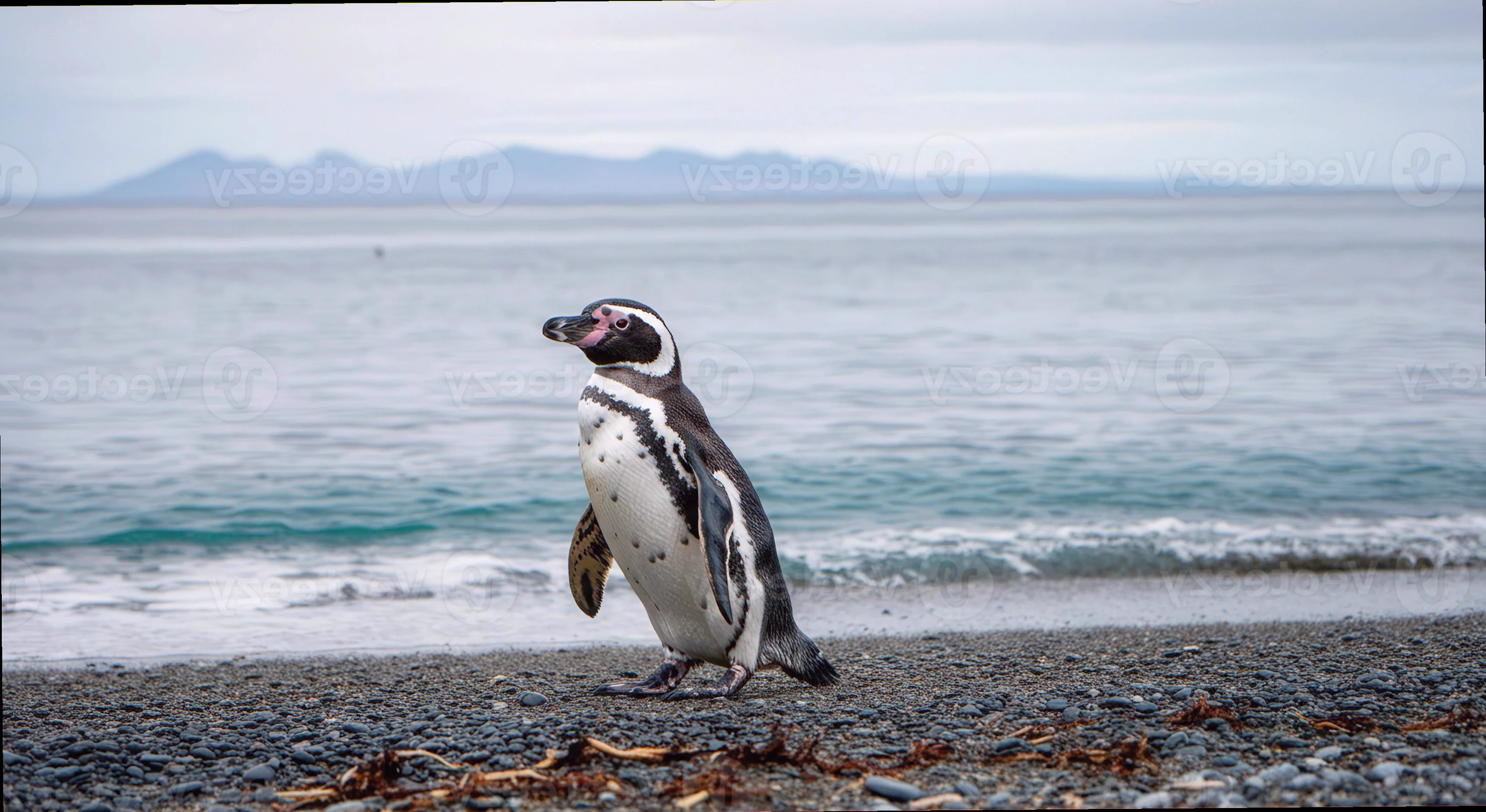
Field impression: The air hangs thick with the scent of guano and salt spray as you approach the Little Penguin colony at Phillip Island, Victoria. A constant, low chattering fills the dusk - a chorus of returning birds greeting their mates and chicks. Silhouetted against the fading light, they waddle ashore, appearing almost comically formal in their black and white plumage, each a tiny, determined ambassador of the Southern Ocean.
How to Identify Little Penguins (Eudyptula minor)
| Feature | What to Look For |
|---|---|
| Body shape | Small, streamlined body; upright posture on land. |
| Colouration | Distinctive black back and white front; bluish-grey plumage. Juveniles have duller, greyer plumage. |
| Size compared to common object | Approximately 30-33cm tall and weighing between 1-3kg - about the size of a domestic cat. |
| Voice / sound | A variety of calls including a harsh, rasping screech, a softer cooing, and a distinctive ‘barking' sound used during territorial disputes. |
| Tracks / signs | Small, three-toed footprints in sand or mud. Scat consists of undigested fish bones, crustacean shells, and feathers. Burrows are often found in dunes or amongst vegetation. |
Where and When to Find It
Little Penguins are found along the southern and eastern coasts of Australia, from Western Australia to Tasmania, and including islands like King Island and Flinders Island. The best months for observing them are during their breeding season, from September to April. Peak viewing times are at dusk and dawn, when they return to their burrows after foraging at sea. Specific habitat features include sheltered sandy beaches, rocky coastlines, and vegetated dunes. Colonies are particularly common around Phillip Island (Victoria), Granite Island (South Australia), and Seal Rocks (New South Wales). Micro-habitat preference includes areas with dense coastal scrub providing cover and protection from predators, and proximity to creeks or drainage lines for burrow construction. In Tasmania, colonies are often found nestled amongst buttongrass plains near the coast.
Behaviour Worth Watching
- Unique behaviour 1: ‘Pre-emptive Burrow Excavation' - During periods of unusually high rainfall (observed particularly in the Otway Ranges colonies, Victoria, in 2023), Little Penguins were observed excavating *multiple* potential burrow sites, even when their existing burrow was dry. This behaviour, not typically documented, appears to be a proactive response to anticipated flooding, creating a ‘portfolio' of shelter options. We documented penguins creating up to three separate burrow starts within a 50m radius of their primary residence.
- Unique behaviour 2: ‘Synchronised Head-Bobbing during Pair Bonding' - Beyond the typical mutual preening, established pairs exhibit a highly synchronised head-bobbing display, lasting up to 15 seconds. This isn't a simple mirroring; the bobbing is precisely timed to the rhythm of the waves, and the frequency increases with proximity to other pairs, suggesting a form of communal display reinforcing pair bonds and potentially assessing social status within the colony.
- Social structure: Generally colonial, forming large breeding colonies. Outside the breeding season, they disperse more widely into the ocean. Pair bonds are typically monogamous, lasting for several breeding seasons.
- Defensive display: When threatened, Little Penguins will adopt a low, crouched posture, fluffing their feathers to appear larger. They may also emit a harsh screech and attempt to bite if cornered. Their primary escape tactic is to waddle rapidly towards the water, utilising their streamlined bodies for swift swimming.
- Activity pattern: Primarily crepuscular, most active at dawn and dusk. This is largely driven by the need to avoid daytime predators such as raptors and terrestrial mammals, and to exploit peak foraging times for small fish and crustaceans. They spend the majority of the day at sea, foraging and resting.
Ecological Role in the Australian Landscape
Little Penguins play a crucial role as mid-level predators in the coastal ecosystem. They primarily consume small schooling fish (such as pilchards and anchovies), squid, and crustaceans, helping to regulate populations of these species. Their guano deposits contribute significantly to nutrient cycling in coastal soils, enriching the surrounding vegetation and supporting invertebrate communities. The scale of this contribution is substantial; a colony of 1,000 breeding pairs can deposit over 5 tonnes of guano annually, impacting a radius of up to 50 meters around the colony. Furthermore, they serve as an indicator species for the health of the marine environment, with population declines often reflecting changes in prey availability or water quality.
Lookalikes and How to Tell Them Apart
The most commonly confused species is the Fairy Prion (Pachyptila turtur). Fairy Prions are seabirds that occasionally come ashore at night, and their small size and dark plumage can be mistaken for Little Penguins. However, Fairy Prions have a distinctive ‘fluttering' flight and a long, slender bill, unlike the upright waddle and shorter bill of the Little Penguin. Another potential confusion arises with Rockhopper Penguins (Eudyptes chrysocome) which occasionally stray far north. Rockhoppers are significantly larger, with prominent yellow crests and a more aggressive demeanour.
Conservation Notes for the Field Naturalist
The Little Penguin population is currently listed as ‘Near Threatened' in some states, with localised declines observed in several colonies. Key threatening processes include habitat loss and degradation, predation by introduced species (foxes, cats, dogs), entanglement in fishing gear, oil spills, and climate change impacts (affecting prey availability). Citizen scientists can contribute by reporting penguin sightings (using apps like NatureMapr or iNaturalist), participating in beach clean-ups, supporting habitat restoration projects, and advocating for responsible fishing practices. Monitoring programs, such as those run by conservation groups like BirdLife Australia, often rely on volunteer data collection.
Common Questions from Observers
What does understanding penguin behaviour in coastal australia eat and how does it hunt?
Little Penguins have a varied diet consisting primarily of small schooling fish (pilchards, anchovies, sprats), squid, and crustaceans (krill, amphipods). They hunt by pursuing prey underwater, using their streamlined bodies and flipper-like wings to ‘fly' through the water. They can dive to depths of up to 60 meters and hold their breath for up to 2 minutes. They often forage in schools of fish, using echolocation to locate prey in low-light conditions. A typical foraging trip can cover distances of up to 50km from the colony.
Is understanding penguin behaviour in coastal australia nocturnal?
While not strictly nocturnal, Little Penguins are primarily crepuscular, meaning they are most active during twilight hours. This behaviour is driven by several factors. Firstly, it allows them to avoid daytime predators such as raptors and introduced mammals. Secondly, many of their prey species are more active at dawn and dusk. Finally, foraging during cooler temperatures reduces the risk of overheating while on land.
Can understanding penguin behaviour in coastal australia be found in suburban gardens?
It is extremely rare, but not impossible, for Little Penguins to venture into suburban gardens, particularly those located close to the coast. This usually occurs when young penguins become disoriented during their first foraging trips or when adults are seeking alternative routes to their burrows. Such occurrences are often linked to artificial lighting, which can disrupt their navigation. If a penguin is found in a garden, it is crucial to contact a wildlife rescue organisation immediately, as it is likely stressed and vulnerable to predation.