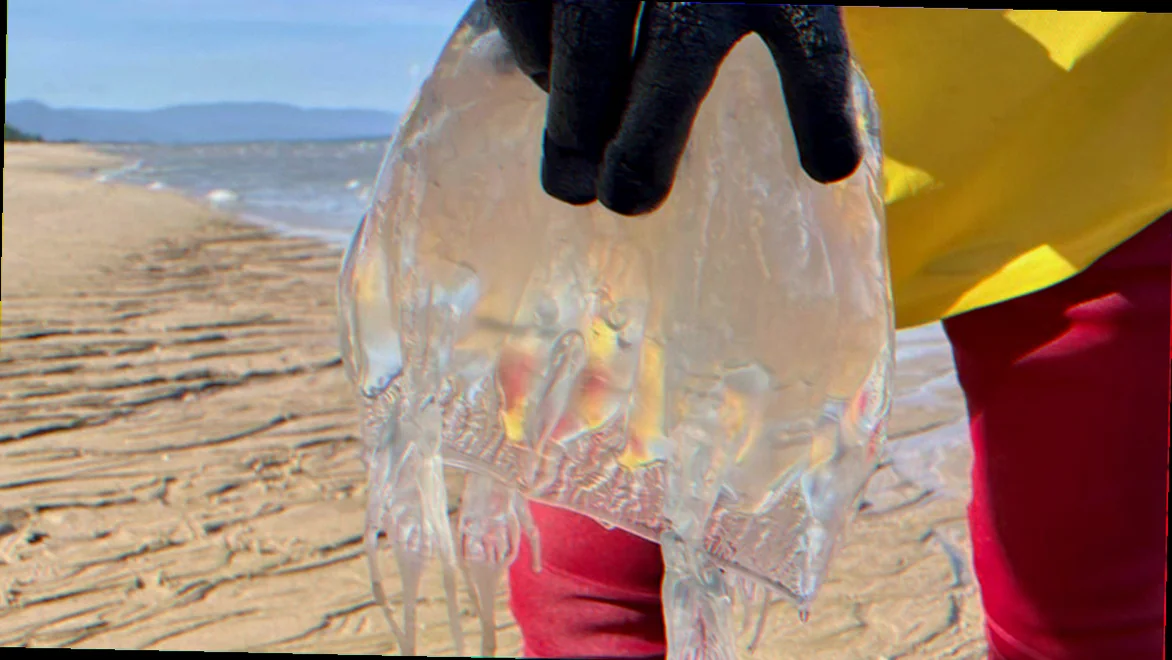
Ecological significance: Darwin Harbour jellyfish, a group of pelagic cnidarians, occupy a crucial mid-trophic level within the harbour's intricate food web. They function primarily as predators of zooplankton and small nekton, thus regulating these populations. Their disappearance would likely lead to cascading effects, including potential overpopulation of their prey and subsequent impacts on phytoplankton blooms, and a significant reduction in food availability for their own predators, notably sea turtles and certain fish species. This shift would fundamentally alter the energy flow and community structure of this vibrant marine ecosystem.
Species Profile
| Attribute | Data |
|---|---|
| Scientific name | This profile refers to multiple species within the phylum Cnidaria, commonly encountered in Darwin Harbour, including *Chironex fleckeri* (Northern Australian box jellyfish), *Carukia barnesi* (Irukandji jellyfish), and various species of *Rhopilema* (cannonball jellyfish). Specific authority varies per species. |
| Trophic level | Carnivore / Omnivore (depending on specific species and prey availability) |
| Population estimate | Dynamic and seasonally variable. For *Chironex fleckeri*, populations are known to peak during the wet season (October to May). Estimates are often derived from beach closures and sting incident reports rather than direct census, making precise figures difficult. For example, during the 2019-2020 wet season, Darwin Harbour experienced a significant number of reported stings, indicative of high population densities of dangerous species. |
| Native range | Northern Australia, including the waters of the Northern Territory (Darwin Harbour), Queensland, and Western Australia. Some species, like *Chironex fleckeri*, have a wider Indo-Pacific distribution. |
| EPBC Act status | *Chironex fleckeri* and *Carukia barnesi* are not currently listed under the EPBC Act. However, their ecological impact and public health significance are widely recognised. |
Position in the Food Web
- Prey species: Darwin Harbour jellyfish are opportunistic predators. They primarily consume zooplankton, including copepods, krill, and small larval fish. Larger species, such as *Chironex fleckeri*, may also capture small fish and crustaceans. They capture prey using their nematocyst-laden tentacles, which can stun or kill organisms upon contact.
- Predators: Despite their potent sting, jellyfish are prey for a variety of marine animals. Notable predators in Darwin Harbour include the Green Sea Turtle (*Chelonia mydas*), which is adapted to feeding on jellyfish and appears to be immune to their stings. Certain species of large fish, such as the Queensland Grouper (*Epinephelus lanceolatus*), have also been observed consuming jellyfish.
- Competitors: Jellyfish compete with other planktivorous and small nekton-feeding organisms in Darwin Harbour. This includes various species of larval and juvenile fish, as well as other gelatinous zooplankton such as salps and ctenophores, for the abundant zooplankton resources.
- Symbiotic partners: While not a direct symbiotic relationship in the classic sense, some small fish species, such as the Bay anchovy (*Anchoa mitchilli*), may shelter amongst the bell and tentacles of larger jellyfish. This offers the fish protection from predators, while the jellyfish gains no apparent benefit or detriment (commensalism).
- Keystone role: Jellyfish are not typically classified as keystone species in the same way as a top predator or ecosystem engineer. However, their significant role in controlling zooplankton populations and serving as a food source for apex predators can contribute to ecosystem stability. They can also act as an indicator species, with population fluctuations often correlating with changes in water quality and prey abundance.
Habitat Requirements and Microhabitat Use
Darwin Harbour, a vast and complex estuarine system, provides ideal habitat for various jellyfish species. They favour the shallow, nutrient-rich waters, particularly in the sheltered bays and mangrove-lined creeks. These areas are characterised by muddy or sandy substrates and fluctuating salinity levels, influenced by tidal cycles and freshwater input from the Adelaide and Elizabeth Rivers. The presence of seagrass beds and coral reefs within the harbour also supports the zooplankton prey base for jellyfish. The Northern Australia Tropical Savannas bioregion encompasses Darwin Harbour, with its tropical monsoonal climate creating distinct wet and dry seasons that significantly influence jellyfish distribution and abundance.
Reproductive Strategy and Population Dynamics
Jellyfish exhibit a mixed life cycle, typically involving a sessile polyp stage and a free-swimming medusa stage. This is largely an r-selected strategy, characterised by high reproductive output and rapid growth, allowing them to quickly exploit favourable conditions. The transition from polyp to medusa is often triggered by environmental cues such as changes in temperature and photoperiod, which are pronounced with the onset of the wet season. Juvenile survival rates can be highly variable, heavily influenced by predation pressure and the availability of planktonic food. Population growth is primarily limited by food availability, predation, and in some species, the presence of specific environmental conditions that may hinder their development or survival, such as extreme salinity fluctuations or high levels of sedimentation.
Threats and Vulnerability Analysis
- Introduced species pressure: While not a primary direct threat to native jellyfish populations, introduced species can indirectly impact them by altering the food web. For example, the introduction of invasive fish species could compete with jellyfish for zooplankton resources or predate upon jellyfish polyps.
- Land-use change: Increased coastal development and associated urbanisation around Darwin Harbour can lead to elevated nutrient runoff from agricultural lands and urban areas. This can fuel eutrophication, leading to algal blooms which, upon decomposition, can deplete dissolved oxygen levels, potentially impacting jellyfish survival, particularly the polyp stage. Dredging and port expansion activities can also directly disturb benthic habitats where polyps reside.
- Climate projections: By 2050, projected increases in sea surface temperatures in northern Australia are likely to influence jellyfish reproductive cycles and distribution. Warmer waters may favour the development of certain species, potentially leading to more frequent or intense bloom events. Altered rainfall patterns, with more intense wet seasons, could increase nutrient and sediment runoff, further impacting water quality within the harbour and potentially affecting jellyfish populations.
- Disease: While jellyfish are generally resilient, they can be susceptible to parasitic infections and diseases that can affect both polyp and medusa stages. However, research into specific jellyfish diseases within Darwin Harbour is limited.
Recovery Actions and Research Gaps
There are no specific recovery plans for the broad group of jellyfish in Darwin Harbour. However, efforts to manage the overall health of the harbour ecosystem, such as improving water quality through better land management practices and reducing coastal development impacts, will indirectly benefit jellyfish populations. Research into their population dynamics, reproductive biology, and ecological interactions is ongoing, but a critical data gap remains in understanding the precise impact of climate change on their distribution and abundance in the coming decades. Quantifying the population size and density of key species like *Chironex fleckeri* through more robust sampling methods is also urgently needed.
Ecological FAQ
Why is darwin harbour jellyfish impact tourism important to its ecosystem?
Darwin Harbour jellyfish are vital for regulating the populations of zooplankton and small nekton, which are fundamental to the harbour's food web. By consuming these smaller organisms, jellyfish prevent their unchecked proliferation, which could otherwise lead to imbalances in the planktonic community. Furthermore, they serve as a significant food source for apex predators like sea turtles, thus facilitating energy transfer up the food chain. Their presence and abundance can also be indicative of the overall health of the estuarine environment.
How has the darwin harbour jellyfish impact tourism population changed over the last 50 years?
Detailed long-term population data for most jellyfish species in Darwin Harbour is scarce. However, anecdotal evidence and increased public awareness, particularly regarding dangerous species like *Chironex fleckeri*, suggest a potential increase in their prevalence during the warmer months, coinciding with the wet season. This trend is likely influenced by factors such as rising sea temperatures and potentially increased nutrient input into the harbour, which can support higher zooplankton productivity, thereby providing a richer food source for jellyfish. Conversely, periods of intense rainfall and freshwater influx can sometimes lead to temporary declines in salinity, negatively impacting certain species.
What can individuals do to support darwin harbour jellyfish impact tourism conservation?
Individuals can contribute to the conservation of Darwin Harbour's jellyfish populations and the broader ecosystem by adopting sustainable practices. This includes reducing the use of single-use plastics that can end up in waterways, properly disposing of waste to prevent litter entering the harbour, and minimising the use of fertilisers and pesticides in gardens, as these can contribute to nutrient runoff. Supporting local initiatives aimed at improving water quality and coastal habitat restoration is also beneficial. When enjoying the harbour, respecting marine life and heeding warning signs about jellyfish presence helps minimise direct human impact.