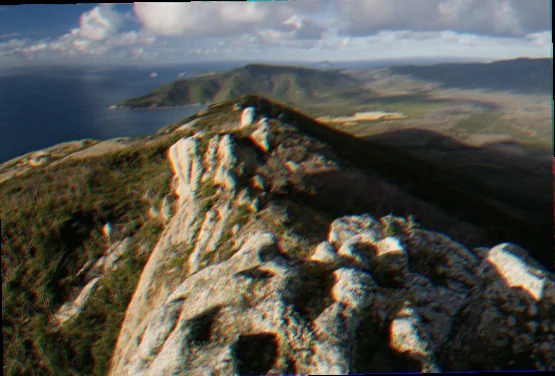
Direct answer: The impact of climate change on Wilson's Promontory refers to the ecological transformation of Australia's southernmost mainland point due to rising sea levels, increased thermal stress, and altered fire regimes. This phenomenon manifests within the diverse ecosystems of Wilson's Promontory National Park, where it threatens the survival of endemic species by reducing available habitat and disrupting long-established breeding cycles. It matters ecologically because the park serves as a critical "refugium," and its degradation signifies a loss of one of Australia's most significant coastal biodiversity strongholds.
Scientific Classification and Description
To understand the biological impact of climate change in this region, we must look at indicator species like the Hooded Plover. Full taxonomy: Kingdom Animalia → Phylum Chordata → Class Aves → Order Charadriiformes → Family Charadriidae → Genus Thinornis → Species Thinornis cucullatus. This small shorebird is a primary victim of climate-driven sea-level rise. An adult Hooded Plover typically measures between 190 and 230 millimetres in length, with a wingspan of approximately 400 to 450 millimetres. They are lightweight, weighing only 50 to 75 grams. Their plumage is distinctive, featuring a black "hood" that covers the head and throat, a white nape, and a pale brown back. The bill is a striking orange with a black tip, matching the orange ring around their eyes. As climate change increases the frequency of "king tides" and storm surges at Wilson's Promontory, the nesting sites of these birds are increasingly inundated, leading to total reproductive failure in many seasons.
Identifying Features at a Glance
| Feature | Detail |
|---|---|
| Scientific name | Thinornis cucullatus |
| Size (adult) | 190 mm to 230 mm |
| Endemic range | Southern Australian coastlines (VIC, TAS, SA, WA) |
| Conservation status | Vulnerable (IUCN and EPBC Act) |
| Lifespan | Up to 15 years in the wild |
Habitat and Distribution in Australia
- Primary biome: Temperate coastal shorelines and sandy beach ecosystems.
- Geographic range: Found primarily along the high-energy coastlines of Victoria, including the entire perimeter of Wilson's Promontory, and extending to Tasmania and Western Australia.
- Microhabitat: They nest on the upper beach zone, specifically on the berm or within the primary dune system, often using small depressions in the sand.
- Altitude / depth range: 0 to 5 metres above sea level, making them extremely susceptible to rising oceans.
- Seasonal movement: Mostly sedentary, though they may move to nearby salt marshes or estuaries during extreme winter storms for better shelter.
Diet, Hunting, and Feeding Ecology
The species impacted by climate change at Wilson's Promontory, such as the Hooded Plover, primarily consume macro-invertebrates. Their diet includes sand hoppers (amphipods), small molluscs, polychaete worms, and various insects found in the strandline debris. They employ a "run and pluck" hunting strategy, where they dash across the wet sand between receding waves to snatch prey. A unique foraging behaviour rarely mentioned elsewhere is their use of "foot-trembling" or "pattering." In this technique, the bird rapidly vibrates its feet against the moist sand; the resulting vibrations mimic the movement of prey or alter the water tension in the sand, forcing small invertebrates to surface where they can be easily captured. Climate change threatens this food source by altering the moisture levels and temperature of the sand, which can lead to a decline in the biomass of beach-dwelling invertebrates.
Reproduction and Life Cycle
The breeding season at Wilson's Promontory typically spans from August to March, coinciding with the peak period of human tourism and high-intensity summer storms. The clutch size