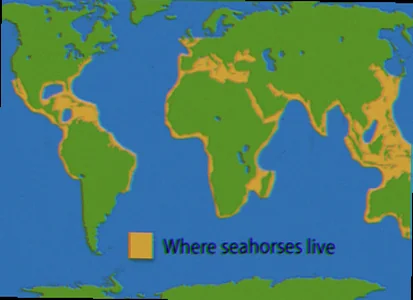
Seahorse habitat mapping methodologies refer to the specialized scientific techniques used to identify, document, and analyze the complex underwater environments essential for the survival of syngnathid species. In Australia, these methodologies are primarily deployed along the temperate and tropical coastlines where they serve as a critical conservation tool for protecting vulnerable populations from coastal development. By integrating spatial data with biological observations, these mapping efforts allow zoologists to predict species distribution and implement targeted management strategies in high-priority marine zones.
Scientific Classification and Description
The primary subject of many Australian mapping initiatives is the iconic White's Seahorse. The full taxonomy for this representative species is as follows: Kingdom: Animalia → Phylum: Chordata → Class: Actinopterygii → Order: Syngnathiformes → Family: Syngnathidae → Genus: Hippocampus → Species: Hippocampus whitei. This species is a medium-sized syngnathid, with adults typically reaching a precise maximum length of 16 centimeters. Unlike many other fish, they possess a robust, bony-plated body rather than scales, a long tubular snout used for suction feeding, and a prehensile tail that functions as an anchor. Their coloration is highly variable, often shifting between pale grey, muddy brown, and vibrant yellow to match the specific benthic features-such as sponges or seagrasses-identified during habitat mapping surveys.
Identifying Features at a Glance
| Feature | Detail |
|---|---|
| Scientific name | Hippocampus whitei |
| Size (adult) | 13 cm to 16 cm |
| Endemic range | New South Wales and Southern Queensland (Endemic to Australia) |
| Conservation status | Endangered (IUCN) and Protected under the EPBC Act |
| Lifespan | 3 to 5 years in the wild |
Habitat and Distribution in Australia
- Primary biome: Temperate estuarine and coastal marine ecosystems characterized by high structural complexity.
- Geographic range: Primarily found in the coastal waters of New South Wales, with significant populations mapped in Sydney Harbour, Port Stephens, and Port Hacking.
- Microhabitat: These organisms are most frequently mapped in association with Posidonia australis seagrass meadows, soft corals, and artificial structures like protective swimming nets.
- Altitude / depth range: Typically found at depths ranging from 1 metre to 15 metres below mean sea level, though they occasionally occur in deeper sponge gardens up to 25 metres.
- Seasonal movement: While generally sedentary, mapping data suggests localized shifts to deeper waters during heavy East Coast Low weather events to avoid turbulent surge and freshwater runoff.
Diet, Hunting, and Feeding Ecology
As ambush predators, the subjects of Australian mapping studies rely on crypsis to remain undetected by prey. Their diet consists primarily of small crustaceans, including amphipods, copepods, and caridean shrimp. They employ a specialized "pivot feeding" mechanism where the head is rapidly rotated upward, creating a vacuum that draws prey into the snout. A unique ecological fact regarding their foraging behavior, which was discovered through intensive habitat mapping in Port Stephens, is that Hippocampus whitei individuals often show extreme site fidelity, frequently remaining within a 1-square-meter area of a specific sponge or "holdfast" for up to 18 consecutive months. This level of sedentary behavior is rare among marine vertebrates and makes them highly susceptible to localized habitat destruction.
Reproduction and Life Cycle
The breeding season for most Australian seahorses occurs during the warmer months, typically from September to April. One of the most famous aspects of their biology is male pregnancy; the female deposits eggs into the male's brood pouch, where they are fertilized. The gestation period usually lasts between 21 and 28 days depending on water temperature. A single clutch can range from 100 to 250 fry. Upon release, the juveniles are fully formed but measure only about 7 to 10 millimetres in length. They immediately enter a pelagic phase before settling into the benthos. Sexual maturity is typically reached within one year, allowing for rapid population turnover if the habitat remains stable.
Unique Adaptations Exclusive to This Species
- Prehensile Tail: A muscular, finless tail that allows the seahorse to anchor itself to seagrass or sponges in strong tidal currents, preventing it from being swept into open water.
- Independent Eye Movement: Similar to a chameleon, their eyes can move independently, allowing them to scan for predators and prey simultaneously without moving their bodies and breaking their camouflage.
- Coronet Morphology: Each individual possesses a unique bony crown called a coronet. Mapping researchers use the distinct shape of the coronet, which is as unique as a human fingerprint, to identify and track individual seahorses in the wild without the need for invasive tagging.
Threats, Conservation, and Human Interaction
The primary threats identified through modern mapping methodologies include the loss of seagrass habitat due to coastal development, sedimentation from urban runoff, and the installation of traditional "block and chain" boat moorings which scour the seafloor. In response to these threats, the Sydney Harbour Seahorse Restoration Project has implemented the use of "Seahorse Hotels." These are artificial wire-mesh structures designed to replace lost natural habitats. Once these hotels become encrusted with marine growth, they provide vital sanctuary and are meticulously mapped using GIS (Geographic Information Systems) to monitor the recovery of the species. Australian federal law strictly prohibits the collection or disturbance of these animals without scientific permits.
Frequently Asked Questions
Is seahorse habitat mapping methodologies venomous or dangerous to humans?
No, the methodologies themselves are non-invasive scientific processes. The subjects of the mapping, seahorses, possess no venom, teeth, or defensive stingers and are completely harmless to humans. Their only defense is their remarkable ability to blend into their surroundings.
Where is the best place in Australia to see seahorse habitat mapping methodologies in the wild?
The most accessible location to observe these populations and the associated conservation hardware is at Clifton Gardens in Sydney Harbour or within the Nelson Bay Fly Point-Halifax Park Aquatic Reserve. These areas are frequently