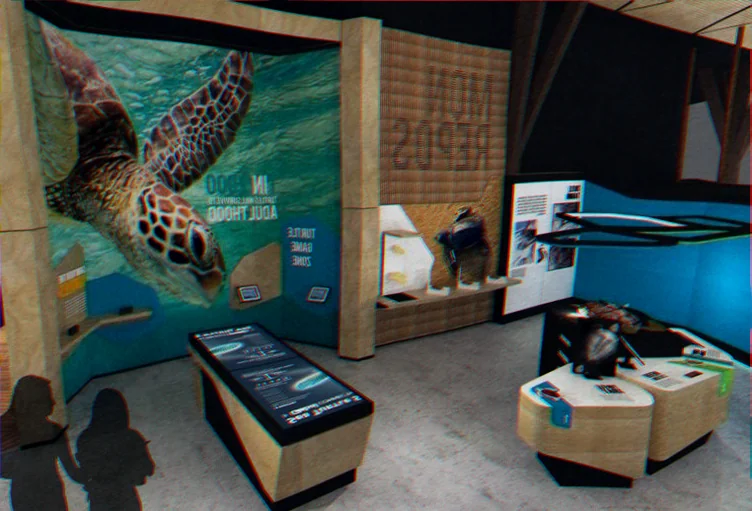
Direct answer: The Bundaberg Turtle Conservation Project is a world-class scientific research and environmental protection initiative located at Mon Repos Regional Park on the coast of Queensland, Australia. It focuses on the protection of the South Pacific population of the endangered Loggerhead turtle, providing a critical nesting habitat and facilitating long-term monitoring that is essential for the species' global survival. By managing human interaction and conducting rigorous data collection, the project ensures that thousands of hatchlings successfully reach the ocean each year to begin their multi-decade migratory cycle.
Scientific Classification and Description
The primary focus of the Bundaberg Turtle Conservation Project is the Loggerhead turtle, a marine reptile of significant evolutionary lineage. The full taxonomic classification for this flagship species is as follows: Kingdom: Animalia; Phylum: Chordata; Class: Reptilia; Order: Testudines; Family: Cheloniidae; Genus: Caretta; Species: Caretta caretta. While the project also occasionally monitors Green turtles (Chelonia mydas) and Flatback turtles (Natator depressus), the Loggerhead remains the central biological priority due to its endangered status in the region.
Adult Loggerheads are massive reptiles characterized by a large, block-like head with powerful jaw muscles designed for crushing hard-shelled prey. An adult Loggerhead turtle typically reaches a precise carapace (shell) length of 90 to 105 centimetres and can weigh between 100 and 160 kilograms. The carapace is heart-shaped and generally reddish-brown in colour, while the plastron (the underside of the shell) is a pale yellow. These turtles are built for endurance rather than speed, featuring long, paddle-like flippers that allow them to traverse thousands of kilometres of open ocean during their migratory phases.
Identifying Features at a Glance
| Feature | Detail |
|---|---|
| Scientific name | Caretta caretta |
| Size (adult) | 90 cm to 105 cm (Carapace length) |
| Endemic range | Queensland, Northern Territory, and New South Wales coastlines |
| Conservation status | Endangered (IUCN and EPBC Act) |
| Lifespan | 50 to 80+ years in the wild |
Habitat and Distribution in Australia
- Primary biome: Tropical and subtropical marine and coastal ecosystems, specifically focused on sandy beach nesting sites and coral reef foraging grounds.
- Geographic range: The South Pacific population primarily nests on the Woongarra Coast near Bundaberg, with significant foraging populations found throughout the Great Barrier